Brain health is your brain’s overall day-to-day function—how well you think, focus, remember, and manage your emotions. When brain health is off, it can show up as brainwave dysregulation it can look like trouble concentrating, low mood, memory issues, brain fog or sleep issues.

Brainwave Regulation Training
Neurofeedback improves symptoms to balance the mind
and emotional wellbeing.
Our Story

Trusted by:








How it Works
01
Brain Map
Measure brainwaves with a qEEG Brain Map
Complete intake assessments and a qEEG Brain Map to create a customized neurofeedback plan.

Real Results from Real People
1. Measure brainwaves by a qEEG Brain Map
Complete intake assessments and a qEEG Brain Map to create a customized neurofeedback plan.
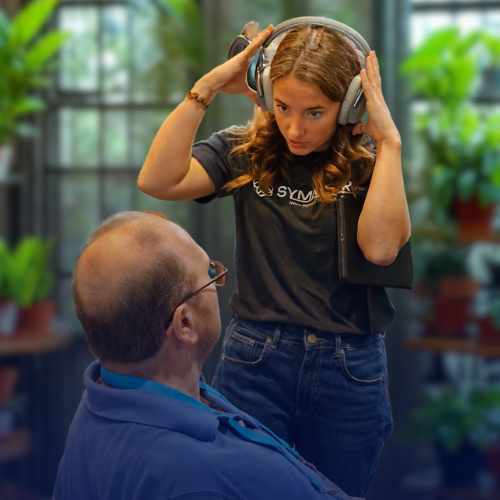
2. Train brainwaves through Neurofeedback sessions
Over time, the brain learns how to produce healthier brainwave patterns on its own. Negative symptoms decrease, mood improves and trainees experience long-term positive changes. Watch a Video
3. Results
Review results with team that compares brainwave data from progress trackers, assessments, neurofeedback sessions and qEEG Brain Maps to see improvement over course of the training program.
Yes, Neurofeedback is a safe, drug-free approach that can benefit people of all ages, depending on individual goals and conditions. We recommend speaking with your healthcare provider for any specific concerns. Our team is here to support you and collaborate every step of the way.
Not at all! Neurofeedback is completely painless, non-invasive, and drug-free. Some describe it like giving your brain a workout—occasionally it may feel a bit tired, similar to studying for a big test—but there’s no discomfort involved.
Neurofeedback is a gentle and natural training process. Some people may notice temporary shifts in mood or energy as their brain adjusts, much like how you might feel after a massage or a deep relaxation session. These responses are typically mild and short-lived.
Neurofeedback creates lasting change through a steady and progressive process. Many people begin to notice positive shifts within the first several sessions, with more significant improvements typically emerging after 15–20 sessions. Since every brain is unique, the pace of progress can vary—but each session builds on the last. Just like any life transformation, trusting the process and staying consistent helps unlock the full benefits over time.
Many people experience noticeable improvements with Neurofeedback, often feeling more focused, calm, and balanced. A thorough intake assessment helps tailor the training to unique needs, and tracking progress using assessments ensures you're getting the best results possible. Keeping a journal (a progress tracker journal is built into our system to keep it all in one easy to review place) is a great way to notice even the subtle shifts—because sometimes the most meaningful changes happen gradually and build over time.
Our team is frequently asked if the qEEG brain map and/or neurofeedback is covered by insurance? The short answer is: it depends on your plan.
If your plan does not include coverage for brain mapping or neurofeedback, please do not be discouraged! At SYMMETRY Neuro-Pathway Training, We offer payment plans and also accept payments from Health Savings Accounts (HSA) or Flexible Savings Accounts (FSA).
Remember that insurance companies may deny your claim regardless of your coverage but it is vital to discuss with your primary doctor and they may write a letter to recommend services. It is vital to be persistent and file the claim anyway. The more insurance companies see the codes for this type of service, the more likely they are to change their policies and include coverage for neurofeedback.
Ready to take the next step in your brain health journey?
Let’s talk about how we can support your brain wellness.

©2026 SYMMETRY Neuro-Pathway Training