
Neuroplasticity Is Always Working—That’s the Problem
While Olympic athlete Eileen Gu brought neuroplasticity into the mainstream, many misunderstand how it works. Neuroplasticity isn't just a motivational tool; it is a biological process that can reinforce negative patterns like anxiety and chronic stress. Real change requires more than "thinking differently"—it requires well-regulated brainwaves.
The Viral Moment: Eileen Gu and Neuroplasticity
A clip from the Winter Olympics came up in a team conversation last month. Not for the performance. For what was said after.
Olympic champion Eileen Gu was being interviewed, breaking down how she processes mistakes in real time. And then she said this:
“With neuroplasticity on my side, I can literally become exactly who I want to be.”
She described how training her mind, her thoughts, her focus, was just as important as training her body. That moment felt significant. Because when someone with that kind of platform uses a word like neuroplasticity—a word most people don’t fully understand—it opens a door. It pulls something that has lived in research, training, and niche conversations into the mainstream.
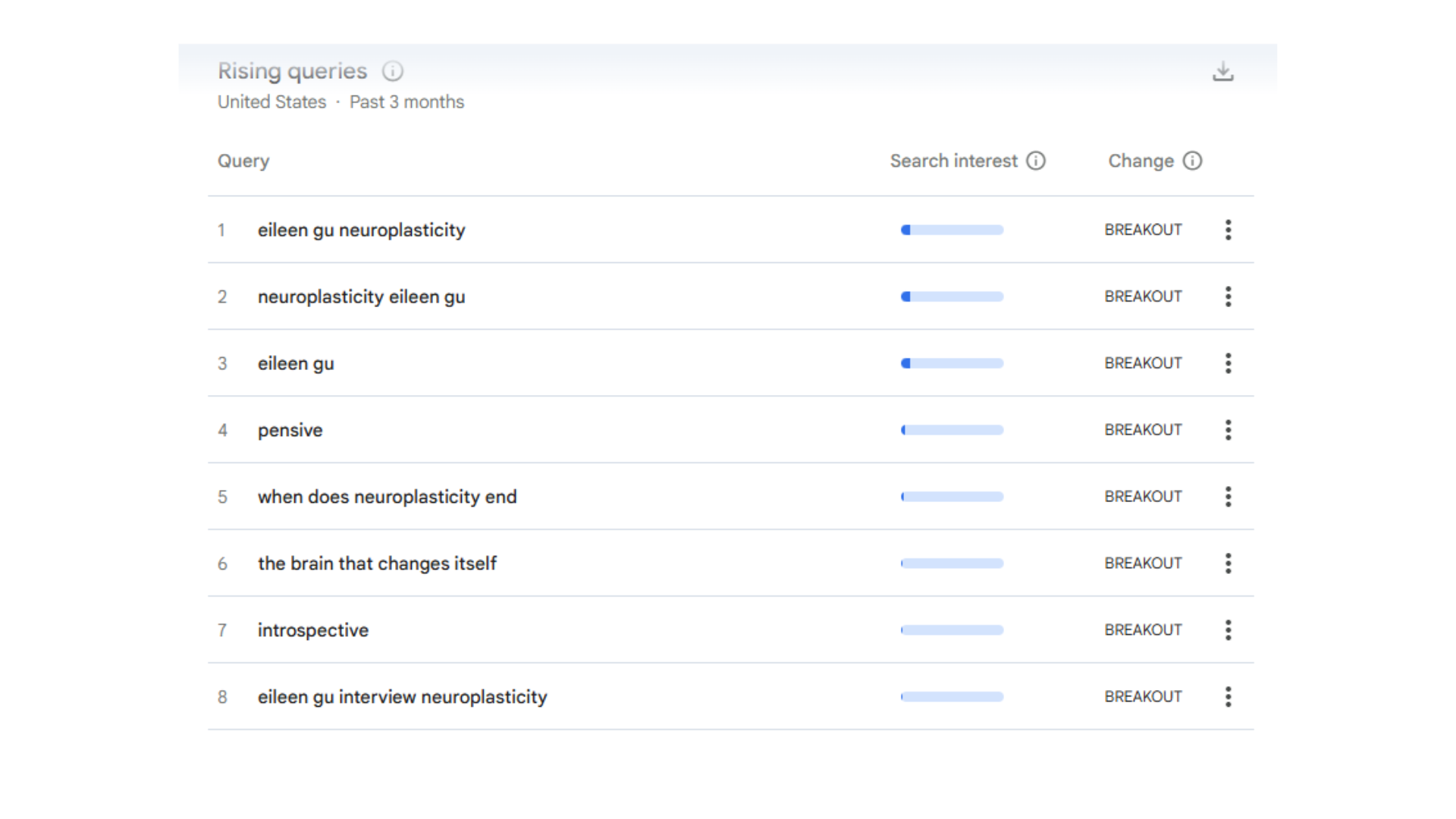
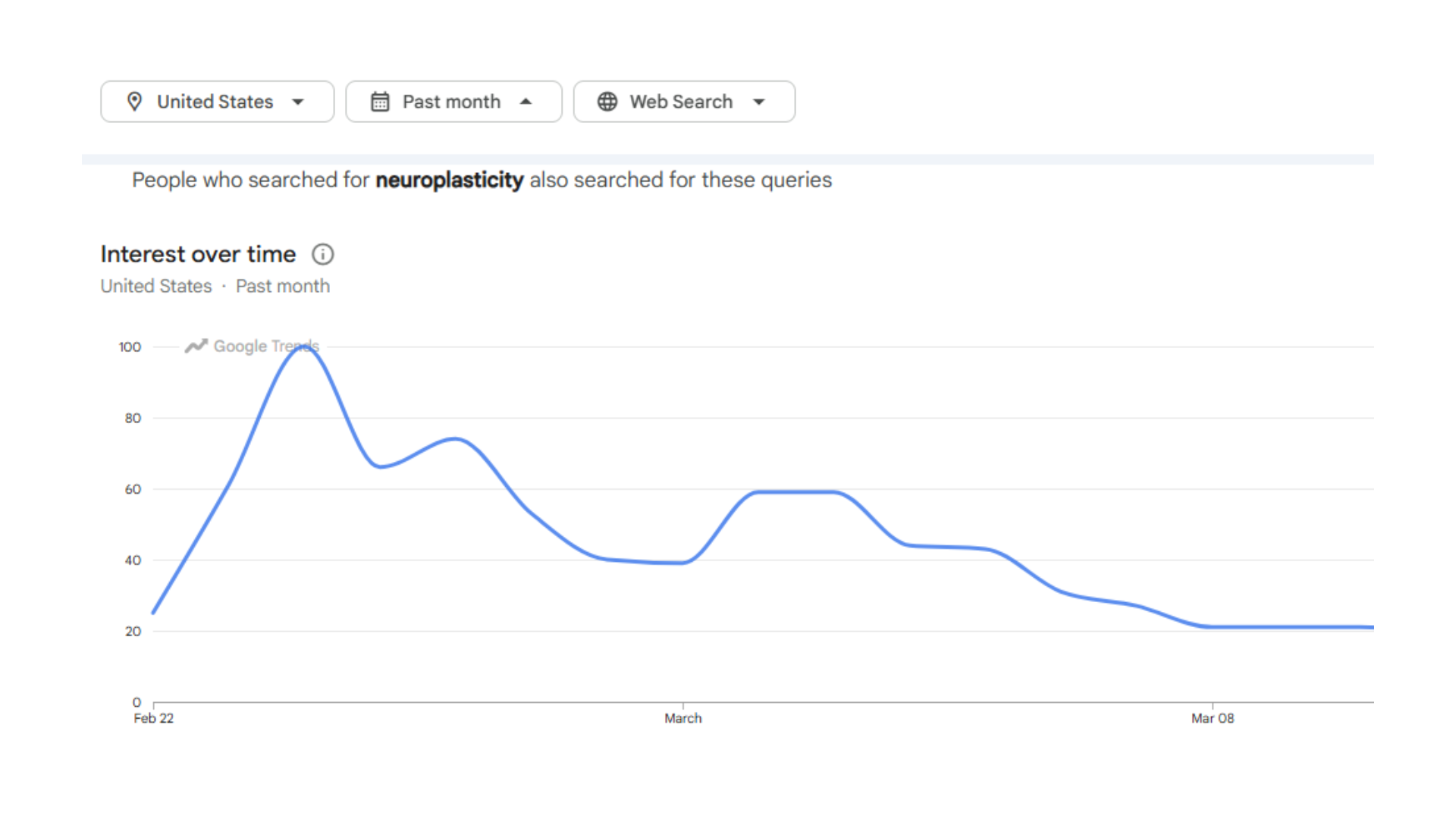
And you can actually see what happened next. Search interest in neuroplasticity surged.
The Misconception: Thought vs. Biological Change
People immediately wanted to know what it is, how it works, and how to improve or increase it. They got curious about their brains—that is exciting! But as Eileen Gu’s quote started getting shared, reposted, and clipped into short-form content… something shifted.
Not what she said. How people interpreted what they heard.
She was talking about training. Repetition. Awareness under pressure. What started getting repeated was something else entirely: If I think differently, I can change my brain.
It sounds similar. But it’s not. One starts with thought. The other depends on whether the brain has the ability to change in that moment. So while hearing and seeing the surge around neuroplasticity felt promising… it also felt incomplete.

Click to play
What is Neuroplasticity? The Double-Edged Sword
Neuroplasticity is a biological process, not a motivational slogan. It’s the brain’s capacity to reorganize itself by forming and strengthening neural connections in response to experience. And it’s always active.
Here’s what was left out of the conversation: Neuroplasticity is not inherently positive. It does not distinguish between helpful and harmful patterns. It reinforces them.
In the research, this is described as a double-edged process, capable of supporting growth… or reinforcing patterns like chronic stress, anxiety, and dysregulation. So if someone is stuck in:
Overthinking
Anxiety loops
Negative self-talk
Neuroplasticity isn’t failing. It’s doing exactly what it’s supposed to do. Which means the real question isn’t: “Can the brain change?” It’s: “What is the brain getting better at repeating?”
Why Mindset Advice Often Fails
And even more importantly: Why can some people shift their mind in the moment… while others can’t?
A lot of mindset advice assumes something that isn’t always true: that the brain can shift on command. That a person can notice a thought, interrupt it, and redirect it. But that only works when the brain can actually change patterns in real time.
Because if it doesn’t feel like a thought—if it just feels like reality—there’s nothing to interrupt. Nothing to question. And even when someone does notice their thoughts aren’t helpful, change still depends on whether the brain can shift. If it can’t, it returns to what it already knows because the brainwaves are stuck in the wrong pattern.
The Missing Piece: Understanding Brainwaves
Talking about neuroplasticity without brainwaves isn’t just incomplete, it can be misleading. The brain is constantly producing electrical signals that can be measured. These signals are commonly referred to as brainwaves, and each one is defined by its speed and pattern.
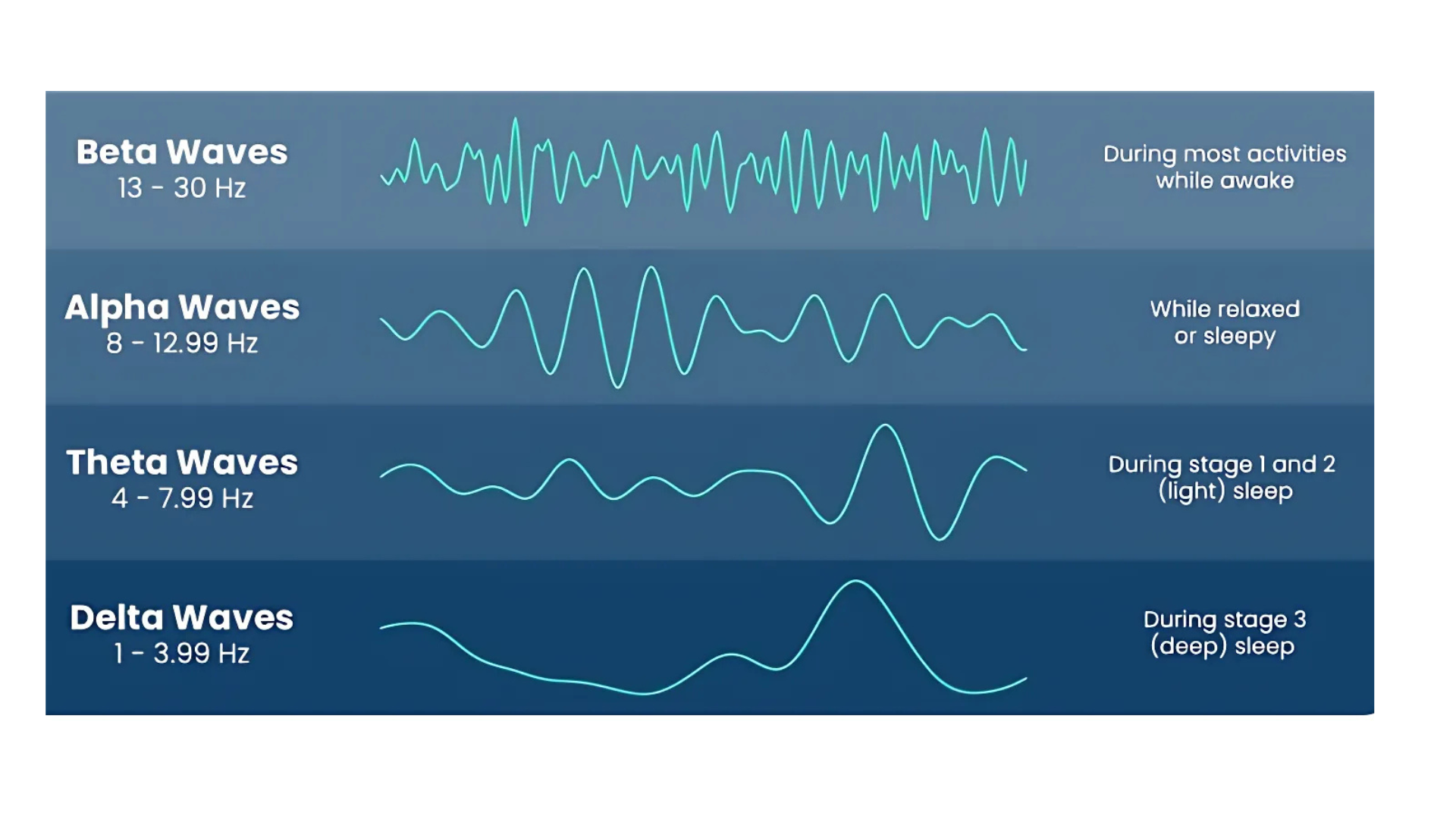
At any given moment, the brain is producing a mix of these patterns. But depending on what you’re doing, certain patterns should be more dominant. The brain is designed to shift between these patterns easily. When it does, things feel natural.
When it doesn’t—when the brain gets stuck in the wrong pattern at the wrong time—you feel it.
Dysregulation: When the Brain Gets Stuck
For example, while you’re reading this, your brain should be producing more of a faster pattern. If slower activity is dominant instead, you may find it harder to focus or retain information.
What Gu is describing as neuroplasticity is her brain shifting into the right pattern in real time. A well-regulated brain can do that. But when the brain cannot shift—when it gets stuck in the wrong pattern at the wrong time—that’s dysregulation.
And it’s not rare. It’s something everyone experiences. You’ve probably felt it. The opposite of what Gu described: instead of moving on from a mistake, your mind stays there. Replaying it. Picking it apart. Or being on high alert… even when nothing is actually wrong.
Moving Beyond Willpower: qEEG and Neurofeedback
If the brain is stuck in a pattern, neuroplasticity will reinforce it. So the issue isn’t just thought. It’s whether the brain is regulated well enough to stop reinforcing those thoughts.
Brainwaves determine whether change is possible in the moment.
If the brain is well-regulated, strategies can work. If it’s dysregulated, they won’t—no matter how good they are. So instead of asking how to think differently, the better question becomes: Are my brainwaves well regulated?
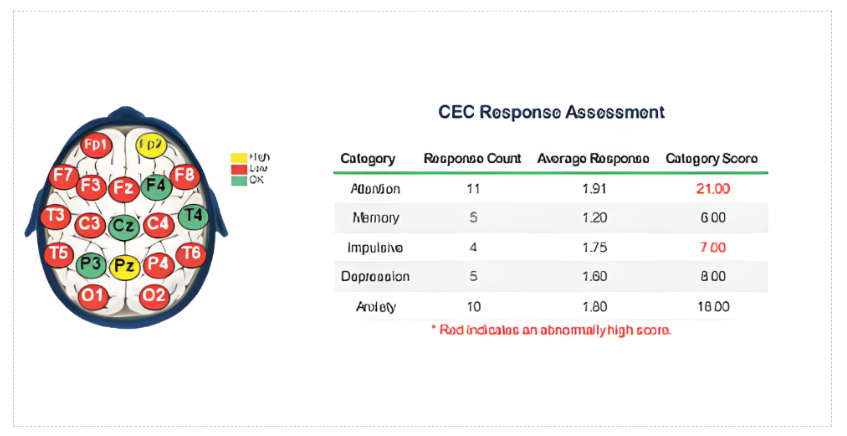
With technology that’s been around for decades, we can actually see what the brain is doing. qEEG brain mapping shows how the brain is functioning—where patterns are regulated, and where they’re not. Neurofeedback trains the brain to regulate more effectively over time. Not through force. Not through willpower. Through the brain’s natural ability to adapt over time.

Conclusion: Why Measuring Patterns Matters
Eileen Gu’s comment about neuroplasticity started a conversation that is clearly needed. But it was just that—a start.
Because when we measure these patterns, we can stop guessing. And people stop struggling with something they were never meant to solve through thought alone. This is why brainwaves matter. Because people deserve more than being told to “try harder” at changing their thoughts. They deserve to understand what their brain is actually doing, and to have a way to improve it.
Curious What the Brain Is Actually Doing?
Whether you’re a practitioner looking to enhance outcomes or someone investing in your own wellness —
the next step isn’t adding another modality.
It’s clarity.
Start by telling us a little about you, and we’ll guide you to the right next step.
 Book a Discovery Call with SYMMETRY Neuro‑PT
 Start here
If you haven't read our last article, Why Isn’t the Wellness Industry Measuring Brainwaves? You should! Click here to learn why modern wellness has been built around the body, while largely overlooking the brain.
contact
social
SYMMETRY Neuro-Pathway Training © 2025