
[#007] A Diagnosis Is a Starting Point. Most People Treat It Like a Finish Line.
Imagine two people who both receive the same diagnosis: ADHD.

The first person's symptoms are driven by underlying developmental trauma and sensory processing challenges. The second person's symptoms are driven by years of poor restorative sleep and chronic nutritional deficiencies.
They were given the same label, even though what was contributing to their symptoms was entirely different.
This is the part nobody tells you when you finally get the diagnosis you've been chasing for months, sometimes years: the label was never the answer. It was the question, disguised as an answer.
Why a Label Feels Like Relief (And Why That's the Trap)
Human beings are wired to categorize. Long before neuroscience or medicine, our brains organized the world into patterns to keep us safe: friend or predator, food or poison.
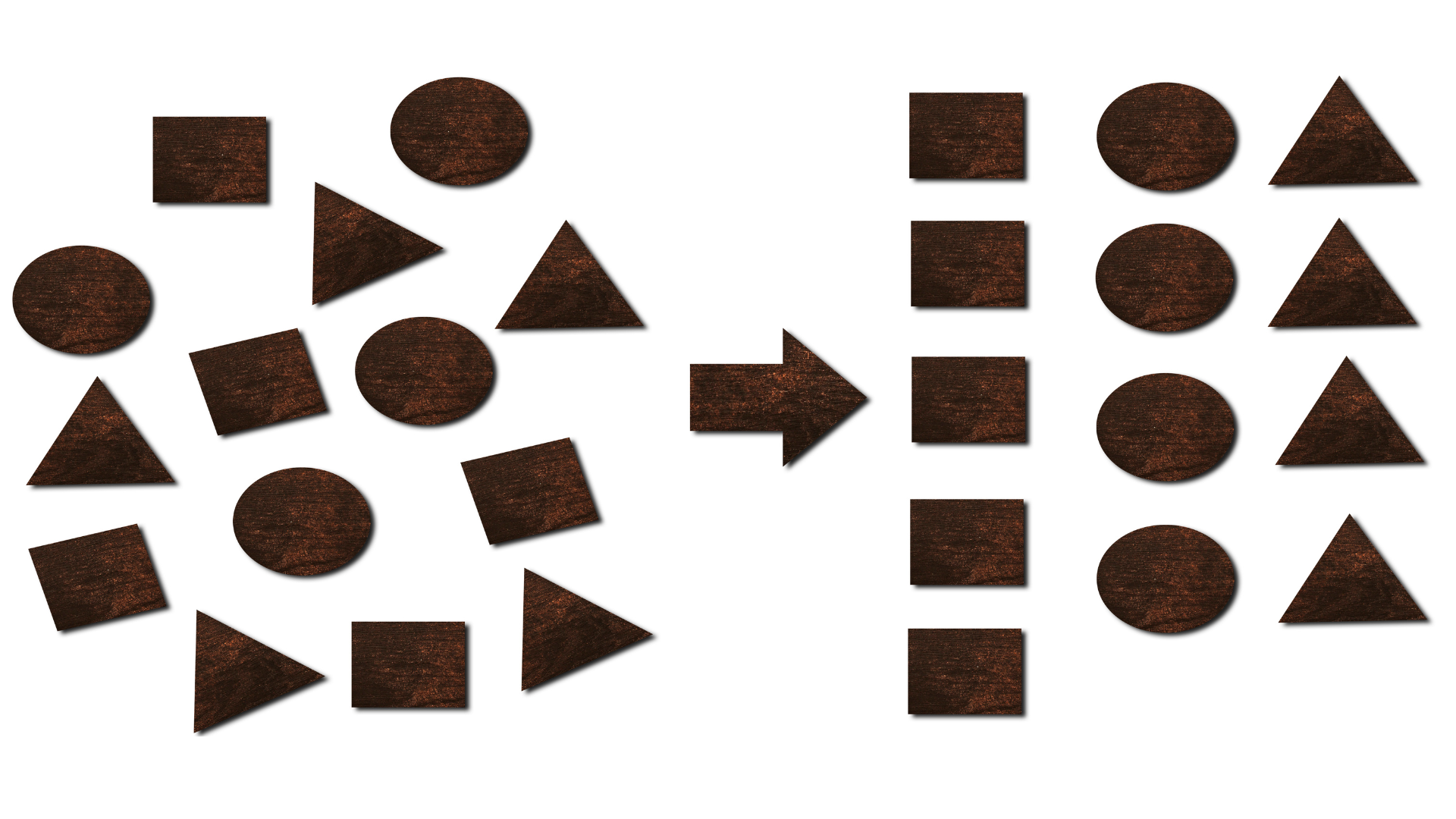
Cognitive scientist Eleanor Rosch's research showed that sorting information into groups is one of the brain's most basic functions. Social psychologists Susan Fiske and Shelley Taylor went further, describing the brain as a "cognitive miser," searching for mental shortcuts that conserve cognitive effort in an overwhelmingly complex world.
That instinct doesn't switch off when the conversation turns to mental health. Research on the Need for Cognitive Closure shows we crave explanations that erase ambiguity and restore order. Just naming a terrifying, abstract struggle can bring relief because it swaps uncertainty for something that feels understandable.
So when someone finally says, "This is ADHD," or anxiety, or depression, or autism, after months of wondering why focus is impossible or why anxious thoughts won't quiet down, it can feel like liberation. The unknown has a name. Self-blame gets replaced with understanding. Doors open: school accommodations, workplace support, insurance coverage, a community of people who finally get it.
That relief is real.
It's also where most people stop.
The Trap Door That Opens Right After the Relief
Here's the part I find genuinely contrarian, and a little uncomfortable: when a diagnosis is handed over, the focus isn't, "What is contributing to these symptoms?" It becomes, "How do we treat these symptoms?"
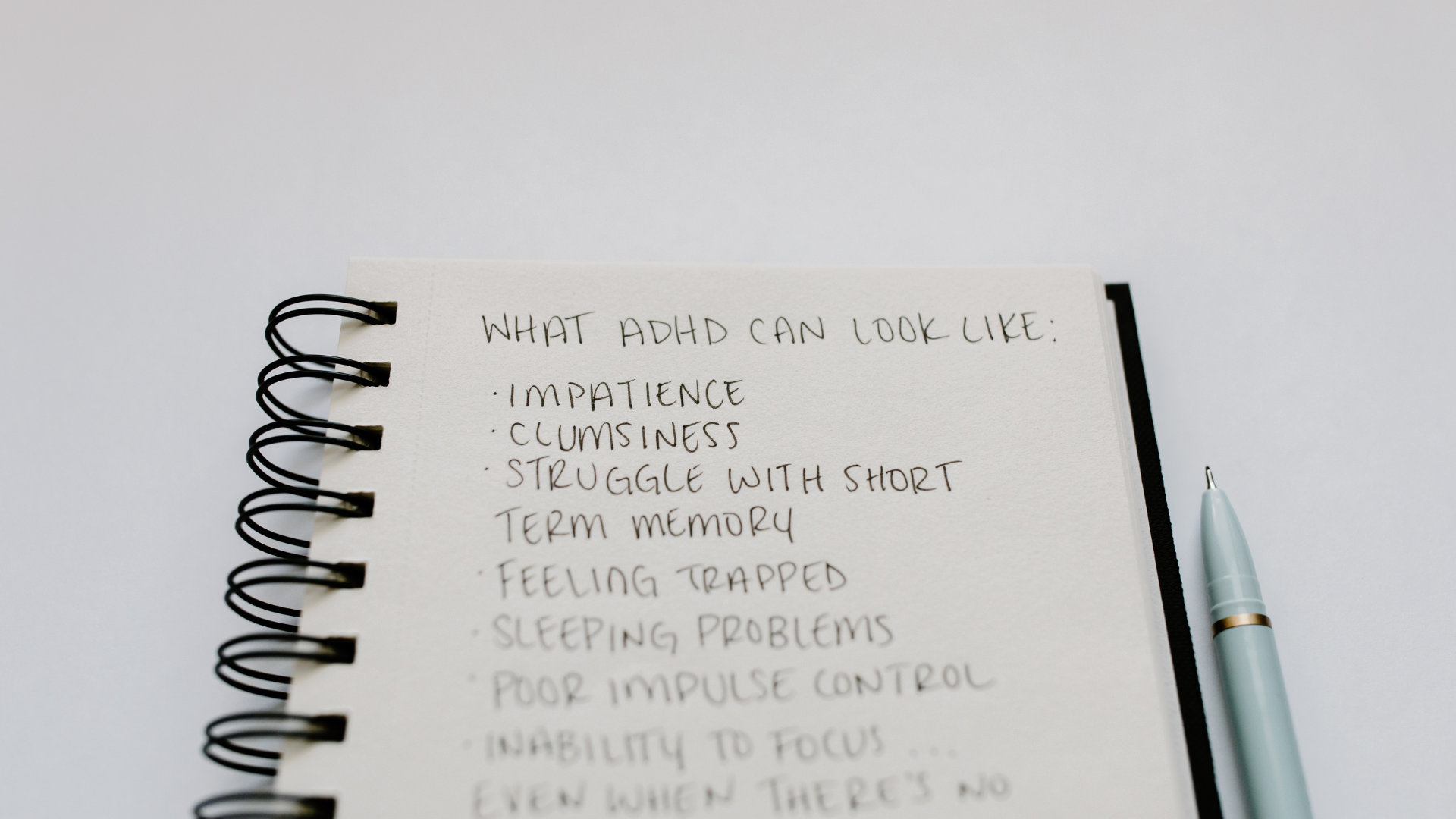
The curiosity that got someone to the diagnosis often evaporates when the diagnosis arrives.
It's a pattern Fiske and Taylor described as "behavior engulfs the field," meaning we fixate on the loud, visible behavior in front of us and ignore the invisible environment producing it.
You can hear it in the circular logic loops families get stuck in every day:
"Why can't my child focus?"
"Because they have ADHD."
"How do we know they have ADHD?"
"Because they struggle to focus."
That's not an explanation.
It's a description wearing an explanation's clothes.
This is one of the oldest errors in science: the nominal fallacy—mistaking a label for a cause.
A Lesson From One of the Greatest Minds of the 20th Century
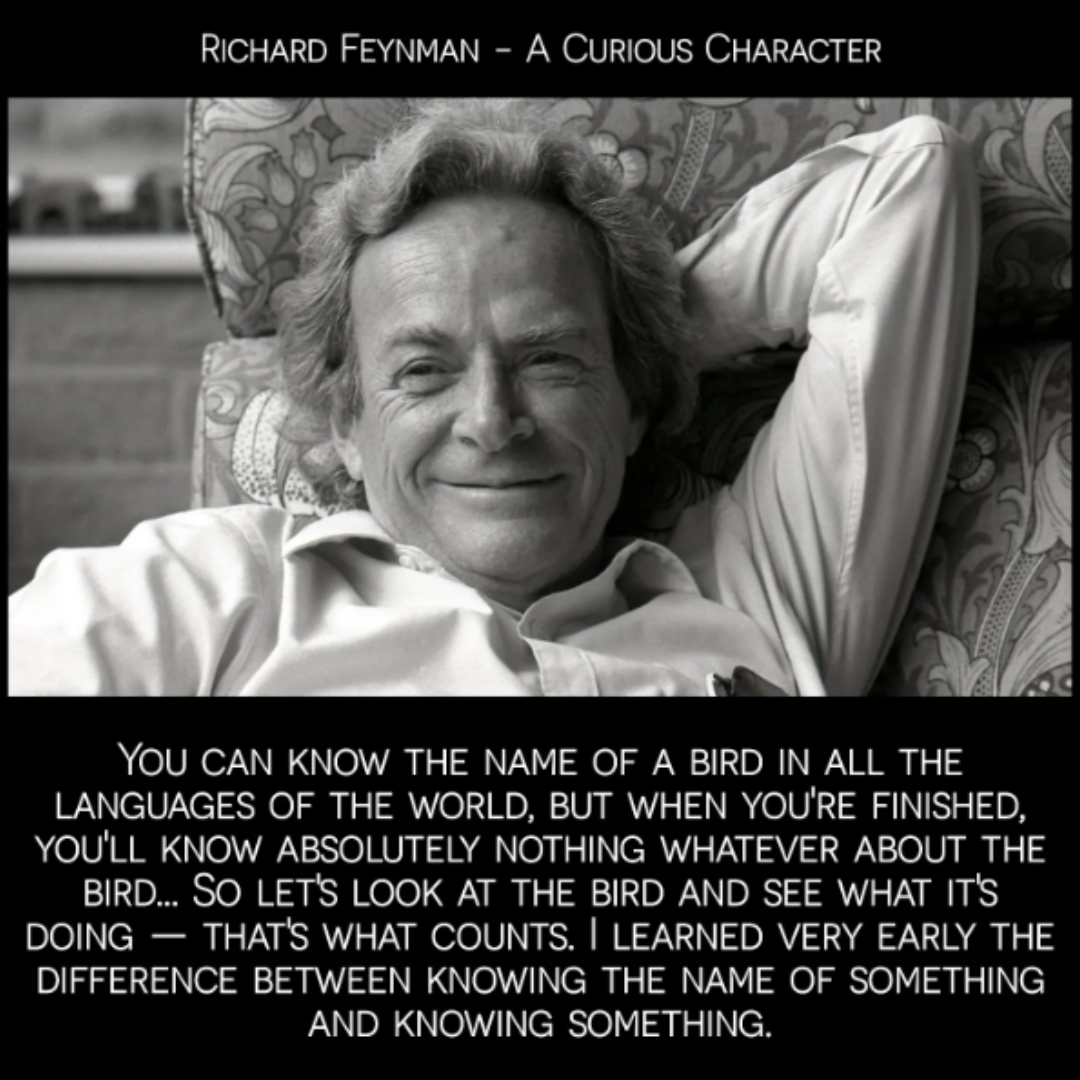
Richard Feynman was a Nobel Prize-winning physicist, widely considered one of the sharpest scientific minds of the last hundred years, and famous for insisting that real understanding has nothing to do with vocabulary or credentials.
He used to tell a story about a walk with his father when he was a boy. They saw a bird, and his father told him they could learn its name in every language on Earth, memorize every scientific classification ever assigned to it, and at the end of all that work:
"You'll know absolutely nothing whatever about the bird... So let's look at the bird and see what it's doing. That's what counts."
Feynman spent the rest of his career chasing that distinction, and it became the engine of everything he did.
He wasn't driven by credentials or being right.
He was driven by what he called the pleasure of finding things out—the genuine joy of watching how something actually works, not just what it's called.
I think about that a lot when it comes to my own son.

For years I watched him struggle with impulsivity that was off the charts, and not knowing what was wrong left me with an ache in the pit of my stomach.
I searched for years for an environment where he could thrive.
There was never a tidy label for it.
I read every book I could find and tried program after program, including a therapeutic placement for "troubled teens," looking for something that explained why he was struggling and what would actually help.
I write about that whole search—what worked, what didn't, and what finally did—in my book, From Trauma to Triumph: A Mom's Mission with Neurofeedback.
But the short version is this:
It wasn't until I found neurofeedback that I finally had an answer.
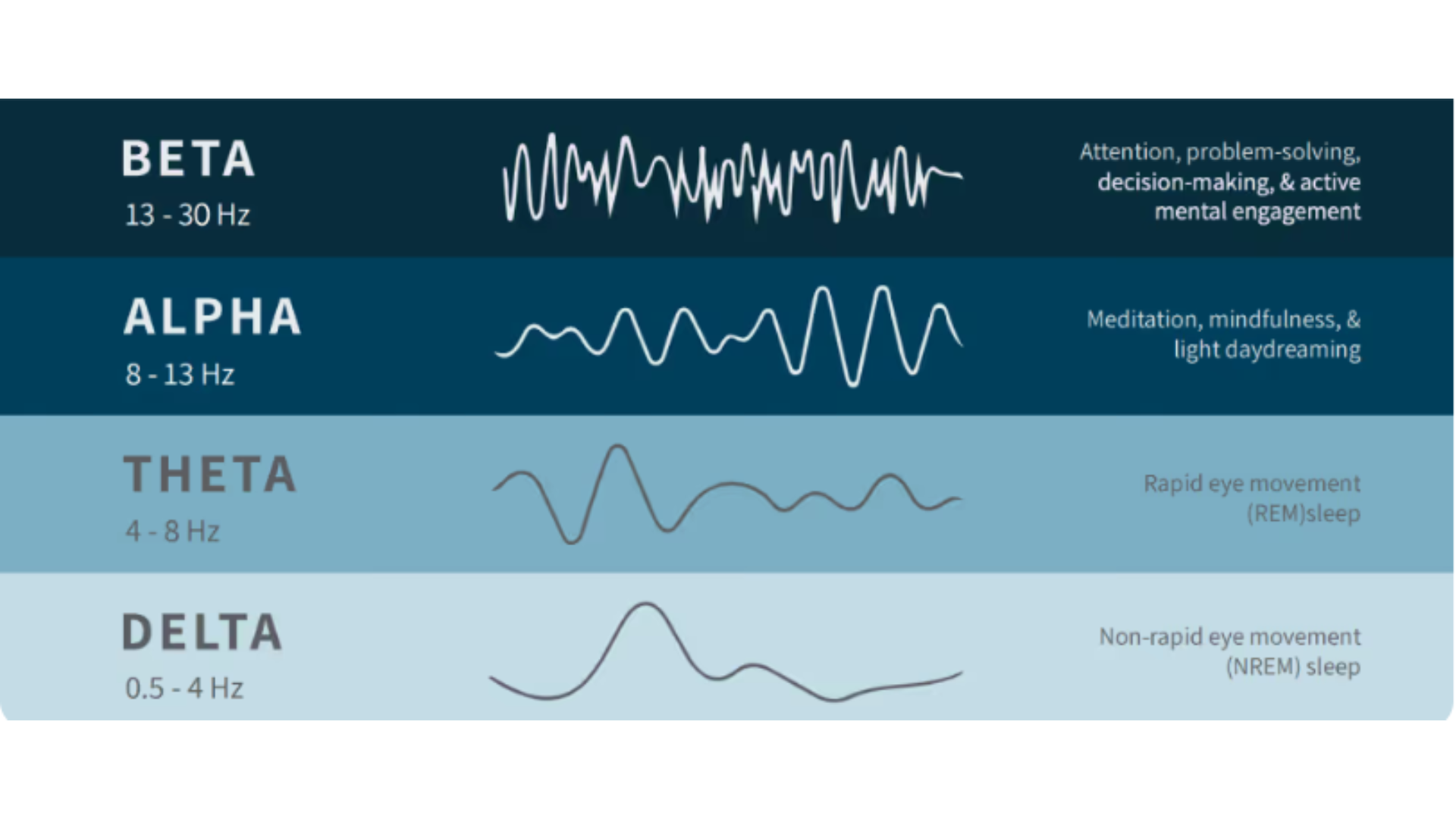
There was an actual pattern in his brainwaves contributing to his behavior.
Not a name for what was wrong with him.
Something underneath it.
Measurable.
Real.
That meant continuing to ask questions long after most people would have considered the case closed.
That's the real fork in the road.
You can stop at the label and call it explained, or you can treat it as the beginning of the actual question:
Now what?
What's underneath this?
What would it take to help this specific person, with this specific brain, thrive?
Keep the Label. Just Don't Let It Be the Last Question You Ask.
If a diagnosis helped you make sense of your life, or unlocked support you desperately needed, honor it.
It's a powerful and legitimate starting point.
It just shouldn't be where the questions stop.
In years of working with students and families, I've watched people arrive carrying a heavy alphabet soup of letters: ADD, ADHD, LD, ODD—so many different labels.
But underneath nearly it all, the same thing kept showing up:
Dysregulated brainwave patterns.
Because we so rarely talk about brainwave patterns, people quietly fuse their diagnosis with their identity.
They hear "you have an ADHD brain" and worry that improving how their brain functions means losing the creativity, the intensity, the hyperfocus they actually like about themselves.
That fear is understandable.
It's also based on a misunderstanding.
Improving and understanding how a brain functions doesn't erase who someone is.
It only helps them show up as the absolute best version of themselves—the one underneath the behavioral checklist.
So here's the contrarian takeaway:
Use whatever label moves life forward.
Keep the letters if they help.
Just don't let the label be where the questions stop.
A name can tell you what something looks like from the outside.
It can't tell you what's actually happening inside.
Curious What's Happening Beneath the Label?
If no one has ever shown you what's actually happening underneath your diagnosis, a qEEG Brain Map measures your brain's electrical activity directly, giving you a layer of objective information that a symptom checklist alone simply can't provide.
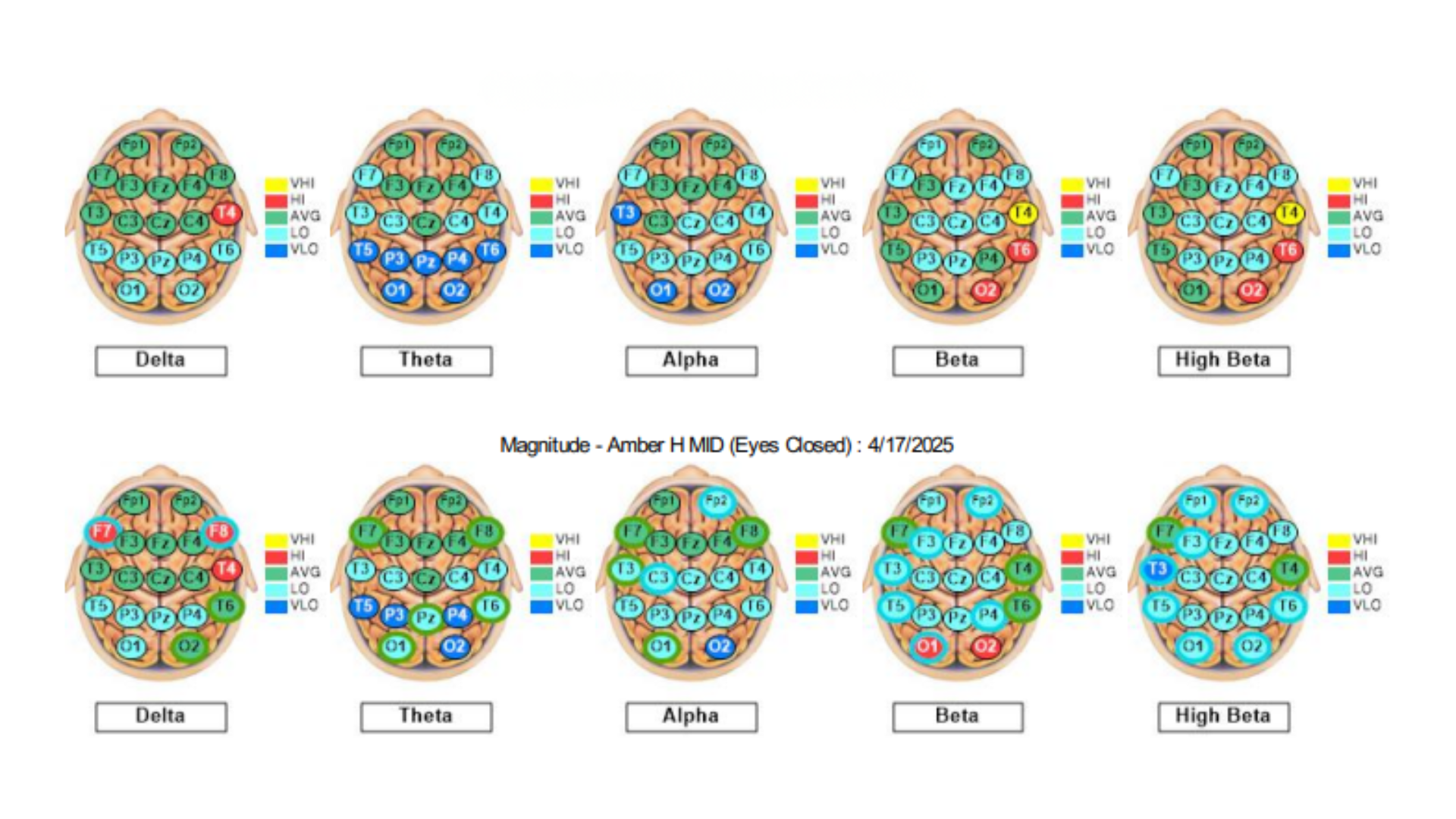
Understanding what's happening beneath the label may be the first step toward discovering what your brain actually needs to thrive.

References & Resources
- The Curious Mr. Feynman | Freakonomics Radio | Freakonomics Radio - YouTube
- Curiosity of Mr Feynmann Instagram
- The art of doing NOTHING
- CT State library resources
- Principles of Categorization - Eleanor Rosch
- Research on the Need for Cognitive Closure
- Social Cognition evolves: Illustrations from our work on IntergroupBias and on Healthy Adaptation
- From Trauma to Triumph: A Mom's Mission with Neurofeedback
If you haven't read our last article, The Paradox of Choice in Veteran Care: Why More Options Do Not Always Mean More Access You should!
.contact
social
SYMMETRY Neuro-Pathway Training © 2025